Behind the Story: Kodak — From Snapshot Revolution to Digital Disruption
Finding voices available in your browser…

From George Eastman and Henry Strong’s dry-plate partnership to the 1888 Kodak camera, mass-market photography, Steven Sasson’s 1975 digital prototype and the 2012 bankruptcy filing, explore the documented history behind Kodak’s rise and disruption.
Kodak’s story did not begin with a giant corporation. It began with a young bank clerk trying to make photography less cumbersome. The company that later struggled to adapt to digital photography had first become great by replacing an older, difficult system with something radically simpler.
This is the documented history behind the SOAR devotional “When Yesterday's Success Became Tomorrow's Failure.”
1. Photography Before Kodak
In the 1870s, taking a photograph could require a large camera, fragile glass plates, chemicals and specialised knowledge. Wet plates had to be prepared, exposed and developed while still wet. Photography was valuable, but it was not yet the effortless activity ordinary families would later know.
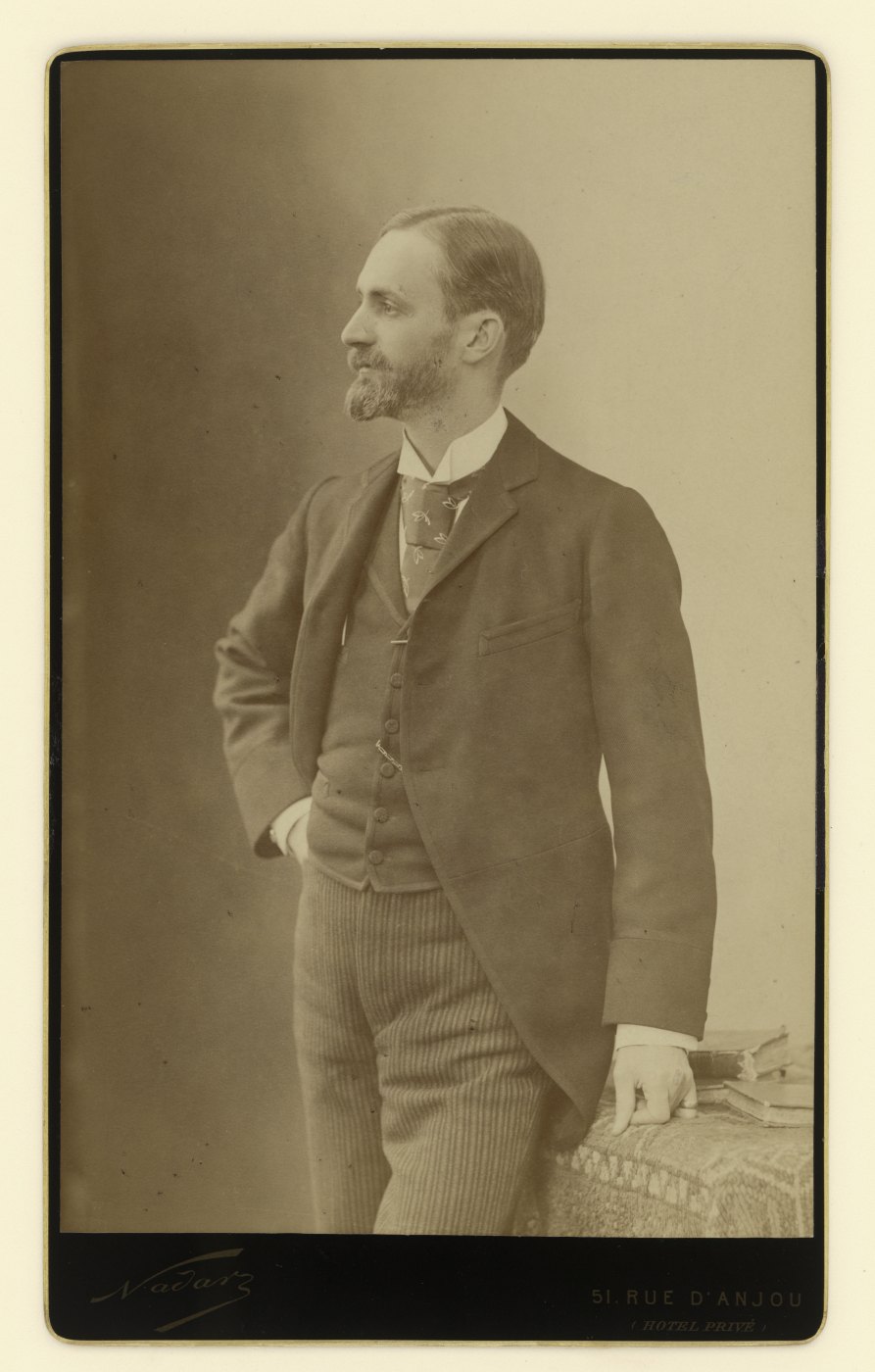
George Eastman, born in 1854 in Waterville, New York, encountered this complexity while working as a bank clerk in Rochester. He began experimenting with gelatin dry plates, which could be prepared in advance and used later. His aim was not merely to improve a chemical formula; it was to remove inconvenience from the entire experience of photography.
2. George Eastman, Henry Strong and the Beginning
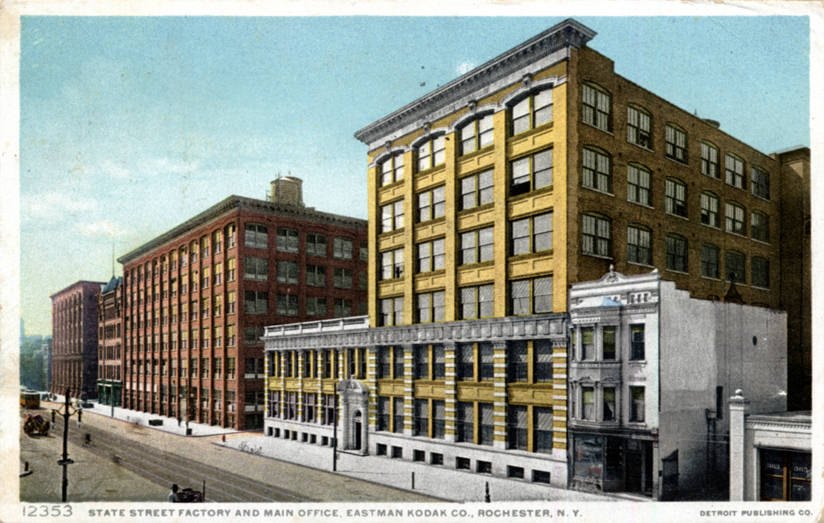
Eastman developed a machine for coating photographic plates and began commercial production in a rented Rochester loft in 1880. The venture attracted Henry Alvah Strong, a Rochester businessman and family friend whose financial support and organisational leadership helped turn Eastman’s experiments into a durable enterprise.
On 1 January 1881, Eastman and Strong formed the Eastman Dry Plate Company. Strong became president and Eastman served as treasurer while directing the technical and commercial work. The business became the Eastman Dry Plate and Film Company in 1884, the Eastman Company in 1889 and Eastman Kodak Company of New York in 1892.
George Eastman is rightly remembered as Kodak’s founder and driving visionary, but Henry Strong was the essential original partner and the company’s first president. Innovation needed both technical imagination and the structure to manufacture, finance and distribute it.
3. The 1888 Breakthrough: A Camera and a Complete Service
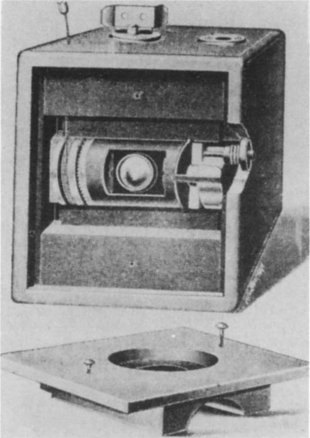
Eastman understood that better photographic materials alone would not create a mass market. People needed a simpler camera and a simpler process. In 1888, the company introduced the original Kodak camera, preloaded with enough roll film for 100 exposures.
The customer did not need to develop the film. After taking the pictures, the owner sent the entire camera to Rochester. Kodak developed the film, made the prints, reloaded the camera and returned everything. The famous promise captured the complete system:
“You press the button, we do the rest.”
The camera sold for $25, and processing, printing and reloading cost $10. Those prices were not cheap for every household, but the system removed much of the technical burden. Kodak’s true breakthrough was therefore larger than a camera: it redesigned photography as a convenient service.
4. The Name That Could Belong to Nothing Else
Eastman created the word Kodak rather than borrowing an existing name. He favoured the letter K and wanted a short, memorable word that would be easy to pronounce and difficult to confuse with another product. The name was registered as a trademark in 1888.
This was disciplined brand building: a distinctive name, a simple promise and a complete customer experience all reinforced one another. Kodak did not merely sell photographic equipment; it made the “snapshot” part of everyday life.
5. From a Clever Camera to a Global Habit
In 1889, Kodak introduced commercial transparent roll film. In 1900, the Brownie camera pushed photography further into the mass market: it sold for $1, while a roll of film cost 15 cents. Children and families could now record ordinary moments without professional equipment.
Kodak expanded into cameras, film, photographic paper, chemicals, processing, motion-picture materials, medical imaging and international manufacturing. Its business model was especially powerful because every camera created continuing demand for film, processing chemicals and paper.
At the height of its scale, Kodak employed more than 145,000 people worldwide. Historical accounts commonly place its share at roughly 90% of the United States film market during its dominant era. For many customers, “Kodak” and photography were nearly interchangeable.
6. The Future Was Invented Inside Kodak
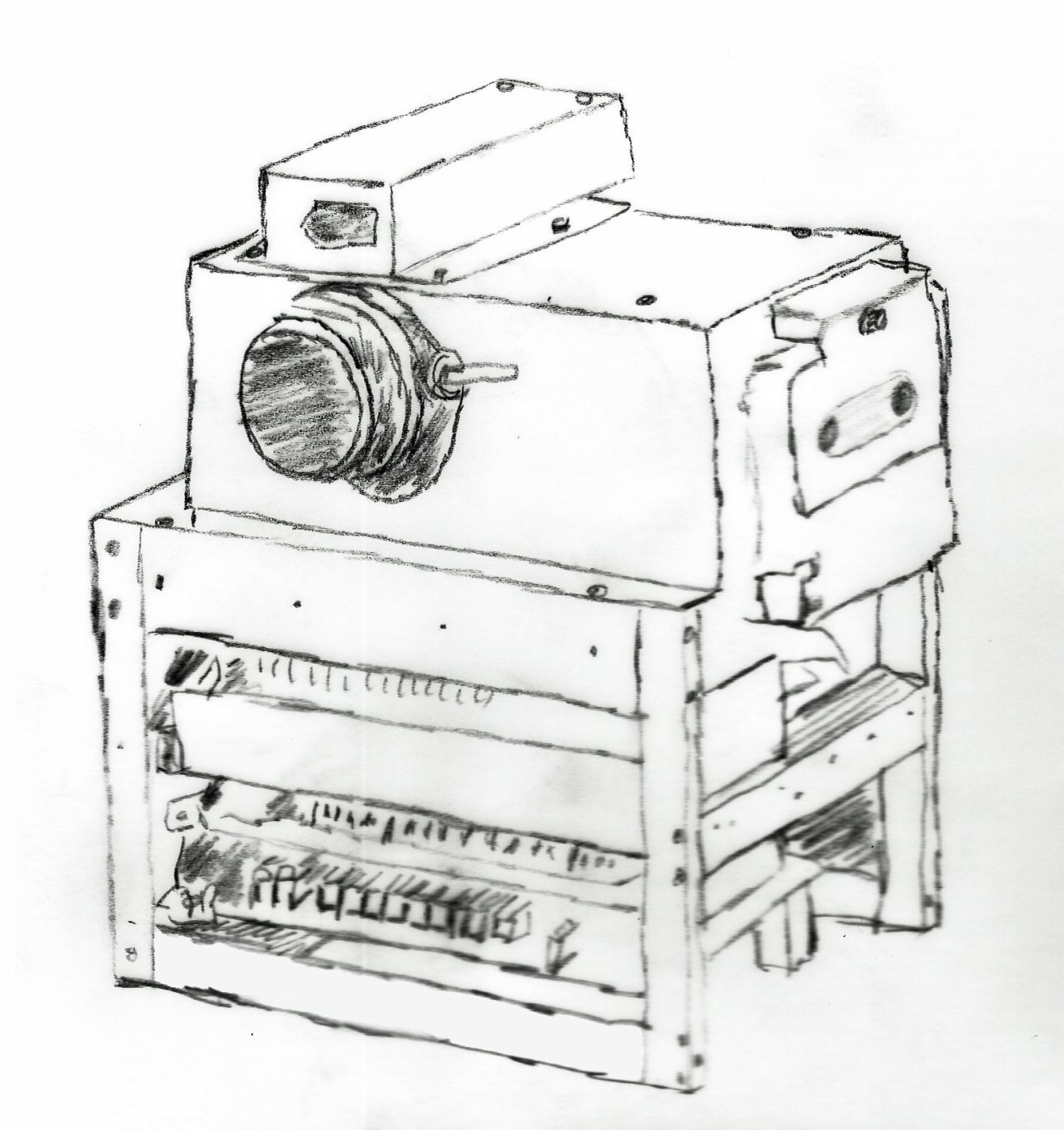
In 1974, Kodak supervisor Gareth Lloyd asked a young electrical engineer named Steven Sasson to investigate whether a new charge-coupled device, or CCD, could be used to capture an image. Sasson joined components that had never before been assembled as a self-contained digital still camera.
Completed in December 1975, the prototype used a Super 8 camera lens, a Fairchild CCD sensor, an analogue-to-digital converter, circuit boards, 16 nickel-cadmium batteries and a cassette recorder. It weighed about 3.6 kilograms—roughly eight pounds—and captured a black-and-white image of only 100 by 100 pixels.
Recording one image onto cassette tape took approximately 23 seconds. A separate playback unit then read the data and displayed the picture on a television. The device was slow, bulky and low-resolution, but it proved that photography no longer required film.

7. Why Seeing the Future Was Not Enough
It is too simple to say that Kodak invented digital photography and then did nothing. The company continued digital research, accumulated important patents, developed image sensors and later sold digital cameras. In 1989, Sasson and Robert Hills also developed an early digital single-lens reflex camera.
The deeper difficulty was economic. Kodak’s established system earned strong recurring revenue whenever customers bought film, processed negatives and ordered prints. Digital photography threatened all three. Competing seriously in digital meant helping to dismantle the highly profitable ecosystem that had made Kodak powerful.
Kodak therefore faced more than a technology decision. It had to decide whether it was fundamentally a film-and-chemicals company or a company that helped people capture and share memories by whatever method the future required.
8. Scale Became Weight
Kodak’s factories, laboratories, distribution networks and workforce had been built for enormous film demand. Those assets once created an advantage that few competitors could match. As consumers moved to digital cameras and then smartphones, the same scale became expensive to maintain.
Competitors were able to develop products around electronics, software and rapidly changing consumer expectations without protecting an equally large film-processing business. Kodak entered important parts of the digital market, but profitability, timing and strategic focus remained difficult. The problem was not a total absence of innovation; it was the inability to transform the whole business as quickly as the technology transformed photography.
9. Bankruptcy and Reinvention
On 19 January 2012, Eastman Kodak Company and several affiliates filed voluntary petitions for Chapter 11 bankruptcy protection in the United States. The filing became one of the world’s best-known warnings about disruption and delayed adaptation.
Bankruptcy did not mean Kodak ceased to exist. The company reorganised, sold assets and emerged from Chapter 11 in 2013 with a greater focus on commercial printing, advanced materials, chemicals and specialised imaging. The Kodak name survived, but the consumer-photography empire that had defined the twentieth century did not return in its former form.
10. Kodak in Five Revealing Facts
- 1975: Kodak engineer Steven Sasson completed the world’s first self-contained digital camera.
- 23 seconds: The prototype needed about that long to record one 100-by-100-pixel image onto cassette tape.
- More than 145,000 employees: Kodak’s worldwide workforce reached this scale near its peak.
- Roughly 90%: Kodak controlled about nine-tenths of the United States film market during its dominant era.
- 2012: Kodak filed for Chapter 11 bankruptcy protection after film demand and its former business model had sharply declined.
11. A Concise Timeline
- 1878–1880: George Eastman experiments with gelatin dry plates, develops coating machinery and begins commercial production.
- 1881: Eastman and Henry Strong form the Eastman Dry Plate Company.
- 1888: The Kodak name and camera introduce a simple camera-and-processing system.
- 1889–1892: Transparent roll film enters the market and the business becomes Eastman Kodak Company.
- 1900: The $1 Brownie camera makes snapshot photography affordable to a much wider public.
- 1975: Steven Sasson completes Kodak’s first self-contained digital camera.
- Late twentieth century: Kodak reaches enormous global employment and dominates the United States film market.
- 1990s–2000s: Digital cameras, online sharing and camera phones rapidly weaken demand for film and processing.
- 19 January 2012: Kodak files for Chapter 11 bankruptcy protection.
- 2013: The reorganised company emerges from bankruptcy with a narrower commercial focus.
12. Connection to the SOAR Devotional
Kodak’s early greatness came from refusing to accept photography as it had always been done. Its later struggle came when the system created by that breakthrough became difficult to release. The same organisation could therefore demonstrate both the reward of innovation and the danger of protecting yesterday’s success.
The spiritual lesson is not that every new idea is automatically from God, or that tradition has no value. It is that gratitude for the past must remain joined to humility, discernment and present obedience.
Read the SOAR devotional: When Yesterday's Success Became Tomorrow's Failure